India at Paris 2024
- nirvaankhanna2011
- Aug 17, 2024
- 3 min read

In the 2024 summer Olympic Games, the Indian contingent put up a slightly underwhelming medal tally of just 6 medals without a single gold and just one silver. The majority of Indian sporting fans hoped that the country’s performance in the Olympic Games would improve after Abhinav Bindra’s individual gold medal in 2008. While Indian sporting programs have developed and the results in the Olympics are slightly better, it’s safe to say that it was not the improvement that the nation was hoping for. So why is it that the country with the largest population in the entire world finished behind countries with a fraction of their population, like Lithuania and Uzbekistan in the medal tally?
The first major reason for India’s poor sporting showing is a lack of support and investment in a proper sporting program for a long time. In countries like the USA and China, medals are a symbol of strength as a nation. Training in these countries begins from a very young age and in some places it is not abnormal for children to be training right from the moment they can walk or throw a ball. Many Indian parents choose to prepare their children for a corporate job rather than athletic or sporting success.
The second major reason for this issue is wasted potential. A common misconception is that with a population as large as India’s, it should be easy to find talented youth. The sad truth is that out of a population of 1.4 billion people the vast majority have next to zero access to sporting facilities and there is little to no inspiration on the sporting field. To find proof of the country’s potential in the Olympics, one just needs to observe the prowess of the national cricket team. The reason that India is able to dominate in cricket is because talent is
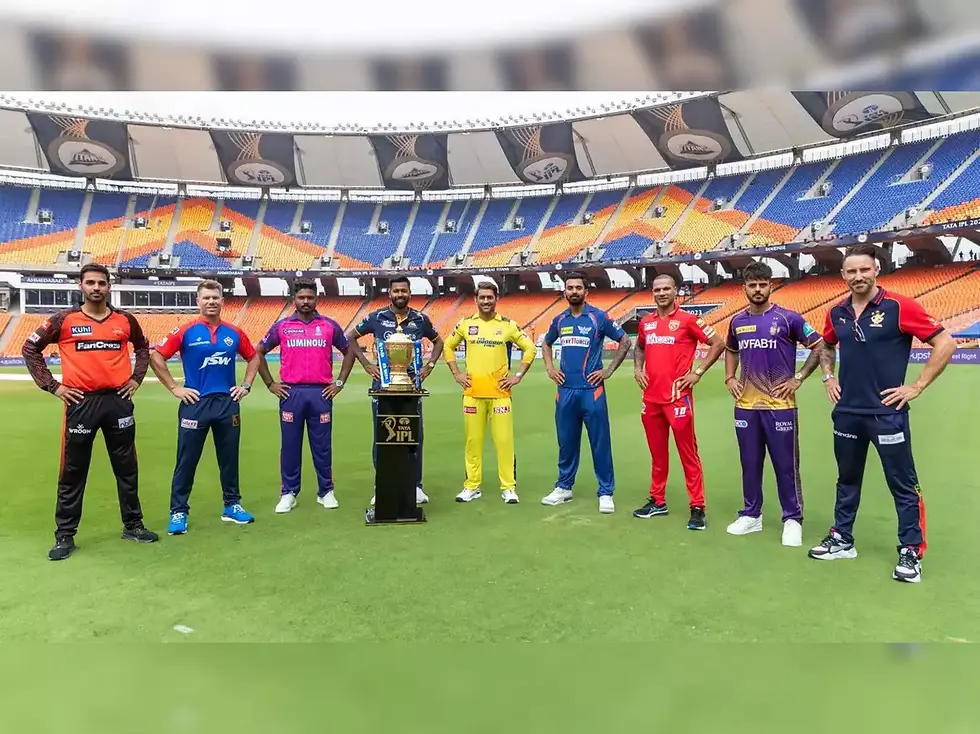
easy to come by. This is because of the large number of cricketing facilities and the inspiration available in that sport.
There are also a lot of issues which India faces as a developing country which they have to put funding towards ahead of sports. For example, addressing poverty and hunger in rural India is a higher priority than building a training center in the middle of the city.
The fact that there are so many malnourished children also means that their growth might be stunted and they might be weak, hence less suited to sports than a child born in the USA, brought up to be strong and healthy. Also, the funding which does go into sports is directed more towards cricket which is by far the country’s biggest sport.
However, India has worked hard to develop the sporting programs across the country, with the government introducing the Khelo India project in 2018 to help identify talent at a younger age. They intend for this program to help revive the sporting culture in the country by providing facilities and funding to those who don’t have access to it. Nita Ambani, one of the country’s biggest sporting supporters has made the bold claim that she intends for the 2036 summer Olympics to be held in India. Sports in India is on the rise and who knows what the future could hold in terms of sporting glory for India.
So while the Indian contingent put up an underwhelming performance this Olympics, it is important to recognise that there are several complex factors which play a role in the sporting success of a nation. One thing is for certain, the Indian contingent will not settle. India’s sporting culture looks to be on the rise, and hopefully, the future will prove to be bright for team India.


Agree with you to some extent Nirvaan. Though I do believe India has reached a stage where facilities and training at the highest levels are often world class. However, the focus on sports at the initial or grassroot levels - schools, universities is missing. World class athletes must start young.